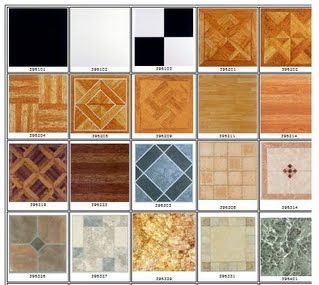
Sold in a pack of 8 and one pack covers 0.81sqm
Peel-and-stick tiles, also known as self-adhesive tiles, are used for a quick and easy way to update or decorate walls, floors, and backsplashes, offering a DIY-friendly alternative to traditional tiling with minimal mess and effort.
Common Uses:
-
Walls:
- Backsplashes: A popular choice for kitchens and bathrooms to add style and protection to walls behind sinks and stoves.
- Accent Walls: Creating focal points or adding texture to a room.
- Fireplace Surrounds: A decorative option for fireplace areas.
- Backsplashes: A popular choice for kitchens and bathrooms to add style and protection to walls behind sinks and stoves.
-
Floors:
- Kitchens and Bathrooms: A water-resistant option for areas prone to moisture.
- Playrooms: Easy to install and remove, making them a good option for temporary flooring.
- Kitchens and Bathrooms: A water-resistant option for areas prone to moisture.
-
Other:
- Stair Risers: Adding a decorative touch to staircases.
- Outdoor Areas: Some peel-and-stick tiles are designed for patios or other outdoor areas.
- Stair Risers: Adding a decorative touch to staircases.
Benefits:
- Easy Installation: No need for grout, special tools, or professional installation.
- Cost-Effective: A more affordable option than traditional tiling.
- Versatile: Available in a wide variety of materials, designs, and styles.
- DIY-Friendly: Perfect for homeowners who want to tackle home improvement projects themselves.
- Quick and Easy Updates: A fast way to refresh a space without a major renovation.
Important Considerations:
-
Durability:Peel-and-stick tiles may not be as durable as traditional tiles, especially in high-traffic areas or wet environments.
-
Surface Preparation:Ensure the surface is clean, dry, and smooth for proper adhesion.
-
Water Resistance:While some peel-and-stick tiles are water-resistant, they may not be suitable for areas with constant moisture or water exposure, like showers.
-
Sealing:Consider sealing peel-and-stick tiles with a waterproof sealer to prevent water from seeping behind them.